

Drug Driving Now Outpaces Drink Driving: What Essex's 2026 Figures Mean for Fleet Operators
 For years, drink driving was the impaired driving offence that got the most attention. New figures from Essex Police show how much that has changed. Between 1 January and 31 October 2026, officers in Essex made 1,960 arrests on suspicion of drug driving, compared with 886 arrests on suspicion of drink driving.
That means drug-driving arrests were more than double drink-driving arrests, roughly 2.2 to 1. For anyone who manages drivers, whether that's a van fleet, an HGV operation or staff who drive for work, these figures are a clear sign that alcohol-only checks no longer cover the risk.
If you're impaired, don't drive
Never use a home or workplace screening test to decide whether you are safe or legally able to drive.
Drugs and alcohol affect concentration, reaction times and judgement. If you have taken drugs or had a drink, don't drive. If you see someone driving dangerously or you're worried someone is about to drive while impaired, call 999 in an emergency or 101 for non-emergencies.
The Essex figures at a glance
Essex Police roads policing officers recorded the following arrests across the first ten months of 2026:
| Offence (suspected) | Arrests, 1 Jan – 31 Oct 2026 |
|---|---|
| Drug driving | 1,960 |
| Drink driving | 886 |
| Failing to provide a breath test | 313 |
| Other drink or drug road offences, including driving while unfit | 515 |
Taken together, that's more than 3,600 arrests linked to impaired driving in a single county in ten months. These are arrests on suspicion, not convictions, but they give a clear picture of where police are finding the problem.
Essex Police say they are tackling impaired driving with roadside drug testing, intelligence-led operations and dedicated roads policing teams that focus on repeat and high-risk offenders. The force is also getting ready for its annual Christmas drink and drug driving campaign, so expect more roadside checks over the festive period.
The Head of Roads Policing at Essex Police, warned that every impaired driver could cause a collision that changes or ends someone's life. He also asked drivers to think about how they would manage their job and daily life if they lost their licence. His closing message was simple: "If you're impaired, don't drive."
Why drug driving arrests are rising faster than drink driving
Several things help explain the gap:
- Roadside drug testing is now routine. Police can use roadside saliva kits to screen drivers for cannabis and cocaine. As testing becomes more common, more drug drivers get caught.
- Low legal limits. In England and Wales it is an offence to drive with certain illegal drugs in your blood above set limits, even if your driving doesn't seem affected. For many illegal drugs, those limits are very low.
- Drug use patterns. Cocaine is now the drug most often named in UK drug deaths, which shows how widespread it has become. You can read more in our post on cocaine and UK drug deaths.
- The "morning after" problem. Many drivers who would never drink and drive don't realise that drugs taken the night before, or at the weekend, can still be detectable when they get behind the wheel.
What the law says about drug driving
Under section 5A of the Road Traffic Act 1988, it is illegal in England and Wales to drive with certain drugs in your blood above specified limits. Separately, it is illegal to drive if you are unfit because of any drug, legal or illegal.
The limits for illegal drugs are set close to zero to rule out accidental exposure. They include:
- Cannabis (delta-9-THC): 2µg/L
- Cocaine: 10µg/L (and benzoylecgonine, a cocaine metabolite: 50µg/L)
- Ketamine: 20µg/L
- MDMA (ecstasy): 10µg/L
- Methylamphetamine: 10µg/L
- Heroin (6-MAM): 5µg/L
- LSD: 1µg/L
Some prescription medicines, including diazepam, methadone, morphine and other opioids such as codeine and tramadol, also have set limits. Drivers taking these medicines as prescribed, who aren't impaired, are not breaking the law. If you manage drivers, though, it is worth knowing which medicines could affect them. Our guides on tramadol and codeine explain how they show up on tests.
The penalties: why a conviction hits fleet operators too
A drug driving conviction carries:
- A minimum one-year driving ban
- An unlimited fine
- Up to six months in prison
- A criminal record
- An endorsement that stays on the driving licence for 11 years
Causing death by careless driving while under the influence of drugs carries a maximum sentence of life imprisonment.
For a business, the consequences go further. A driver who loses their licence can't do their job. Vehicles sit idle, insurance premiums can rise, and if a driver is involved in a collision while impaired, the company's health and safety procedures will be closely examined.
What fleet operators should do now
 Employers have a duty under the Health and Safety at Work etc. Act 1974 to manage risks to employees and the public, and that includes driving for work. A clear drug and alcohol policy, backed by testing, is one of the most practical ways to manage the risk of impaired drivers.
1. Put a written drug and alcohol policy in place
Set out when testing will happen, which substances are covered, and what happens after a non-negative result. Employees must consent to testing, usually through a clause in their contract or staff handbook. See our workplace drug testing guide, which includes a downloadable consent form.
2. Test for drugs, not just alcohol
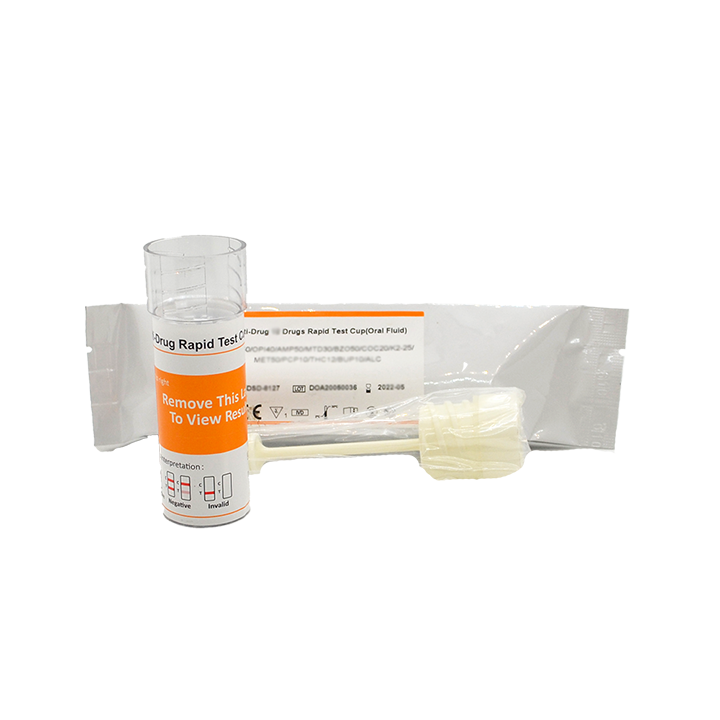
The Essex figures show that a breathalyser-only approach misses most of the problem. A driver multi-drug saliva test screens for drugs such as cannabis, cocaine, opiates, amphetamines and benzodiazepines, plus alcohol, in one test.
3. Choose the right test for each situation
| Situation | Best test type | Why |
|---|---|---|
| Pre-shift or random checks | Saliva drug test | Detects recent use, can be observed, and is hard to cheat |
| Post-incident or for-cause | Saliva test plus alcohol test | Gives a quick picture of possible impairment at the time |
| Pre-employment screening | Urine multi-drug cup | Longer detection window, so it shows use over the past few days |
| Any non-negative result | Lab confirmation test | Screening results must be confirmed by an accredited lab before any disciplinary action |
4. Test randomly and often
For safety-critical roles such as HGV and van drivers, testing once a year isn't enough. Random, unannounced testing works as a deterrent as well as a check.
5. Plan around the Christmas period
With Christmas parties and more socialising, December and early January are high-risk months for "morning after" impairment. Remind drivers of your policy before the festive season, and think about increasing random testing while police campaigns are running.
Frequently asked questions
Is drug driving more common than drink driving in the UK?
In Essex, police made more than twice as many drug-driving arrests as drink-driving arrests between January and October 2026. Arrest numbers depend partly on how much testing police do, but the figures show drug driving is now a major part of impaired driving enforcement.
What drugs do police roadside tests check for?
Police roadside saliva kits screen for cannabis and cocaine. If officers believe a driver is impaired by drugs, the driver can be arrested and asked to give a blood or urine sample at a police station, which can detect a much wider range of substances.
Can an employer drug test their drivers?
Yes, with the employee's consent, which is usually set out in the employment contract or staff handbook. Testing should be part of a clear written policy and should focus on roles where impairment creates a real safety risk, such as driving.
Will a home saliva test tell me if I'm under the legal limit?
No. Screening tests use their own cut-off levels, which are different from the legal blood limits. They should never be used to decide whether you are safe or legally able to drive.
What should I do if a driver gets a non-negative result?
Don't let them drive. Follow your policy, and send a sample for accredited laboratory confirmation before taking any disciplinary action.
Final thoughts
The Essex figures confirm what many in roads policing have been saying for some time: drug driving is now at least as big a risk as drink driving, and on these numbers a considerably larger one. For fleet operators, alcohol checks alone are no longer enough. A clear policy, regular saliva drug testing and lab confirmation of non-negative results will help keep your drivers, your vehicles and the public safe, especially going into the busy Christmas period.
Need more choice? Visit our specialist site, UK Drug Testing
 The kits above are the ones I recommend most often for driver and fleet testing. If you need a wider range, or you're setting up a full workplace testing programme, our sister site UK Drug Testing has a larger range for employers.
Over there you will find:
- Split cup drug test kits, plus saliva tests from 4 to 13 panels
- Breathalysers
- Workplace combined drug and alcohol packs
- Laboratory confirmation tests
- Online drug and alcohol testing training
Not sure which test is right for your drivers? Take the quick workplace drug test quiz, or call the UK Drug Testing team Monday to Friday, 8.30am to 5pm, on 01263 731 168.
Sources: Your Harlow (7 Nov 2026) · Your Thurrock (7 Nov 2026) · GOV.UK: Drugs and driving, the law · Road Traffic Act 1988, s.5A · Drug Driving (Specified Limits) (England and Wales) Regulations 2014 · HSE: Driving and riding safely for work
The information in this article is for general educational purposes only. It is not a substitute for professional medical or legal advice, or for guidance from the police or other authorities.
Home and workplace drug and alcohol tests are screening tests. Their cut-off levels are not the same as the legal driving limits, and they must not be used to decide whether you are safe or legally able to drive. You can be impaired even if you feel fine. If you have taken drugs or drunk alcohol, do not drive.
All non-negative screening results should be confirmed by an accredited laboratory before any disciplinary or legal action is taken. Employers should get appropriate legal or HR advice when setting up a drug and alcohol testing policy.
Drug Testing Kit provides information and testing products to support awareness and responsible decision-making. If you are worried about your own or someone else's drug or alcohol use, speak to a GP or healthcare professional.