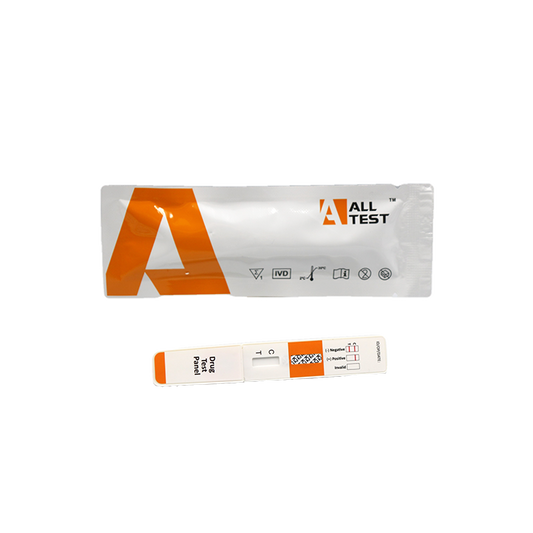

What Is cannabis oil and how does It affect workplace and home drug testing in the UK?
The landscape of wellness, natural remedies, and substance compliance has transformed significantly across the United Kingdom over recent years. One of the most frequently discussed, yet widely misunderstood, substances in this arena is cannabis oil.
As more individuals explore over the counter wellness supplements and legal prescription options, a massive surge of questions has arisen from corporate managers, human resources departments, parents, and health and safety officers. Understanding what is cannabis oil and how it interacts with modern diagnostic drug testing is no longer just a matter of curiosity, it is a critical operational necessity for maintaining workplace safety and family welfare.
When analysing current search trends, it becomes clear that there is substantial anxiety around how these Cannabis related products affect drug screening outcomes, leading to high-intent queries regarding detection windows and test reliability. This guide will explore the chemical nature of cannabis oil, break down how long cannabinoids remain detectable within the human body, evaluate the operational differences between different drug testing methods, and outline how to establish a robust drug screening protocol.
Defining cannabis oil: CBD versus THC
To fully answer what cannabis oil is, we must first break down the components of the cannabis plant. Cannabis oil is a broad term used to describe liquid extracts derived from the Cannabis sativa or Cannabis indica plants. These extracts contain active chemical compounds known as cannabinoids.
The two most prominent cannabinoids are cannabidiol, commonly known as CBD, and tetrahydrocannabinol, known as THC. The critical distinction between these two compounds is their psychoactive effect and their legal status under UK law.
THC is the psychoactive component that produces a high, and it is strictly regulated under the Misuse of Drugs Act. CBD, conversely, is non-psychoactive and is widely legal when sold as a food supplement, provided it meets strict home office criteria regarding THC content limits.
However, consumers must remain cautious. Many over the counter CBD oils sold on the high street contain trace amounts of THC due to variations in manufacturing quality.
Furthermore, full-spectrum cannabis oils, traditional hash oil, and illicit vape liquids contain high concentrations of THC. This variance creates a major challenge for individuals and employers trying to understand whether the use of cannabis oil will result in a positive drug test. When an individual consumes a product containing even minor levels of THC over an extended period, that compound can accumulate in the body, leading to an unexpected non-negative screening result on an instant drug test kit.

Frequently asked questions about cannabinoid detection
How long does cannabis stay in your system? The length of time cannabis remains identifiable depends heavily on the consumer's body fat percentage, metabolic rate, and the frequency of use. Because THC is fat soluble, it binds to adipose tissue and releases slowly over time, making it detectable far longer than water soluble substances.
How long does weed stay in urine? For an occasional user, a urine test will generally clear within a few days. However, for regular or daily users, answering how long does weed stay in urine can mean tracking positive results for a month or longer after their last consumption.
How long does cannabis stay in saliva? Saliva drug testing provides a much shorter window of detection, making it excellent for identifying recent use. In most cases, cannabinoids disappear from oral fluids within twenty-four hours, though heavy users may test positive for up to seventy-two hours.
How long do drugs stay in urine generally? While most illicit compounds clear the urinary tract within two to four days, cannabis is the main exception due to its fat-soluble storage mechanism, which extends its detection window significantly beyond other common substances.
Can prescription drugs cause a failed drug test? Yes, legally prescribed medical cannabis oil, which has been accessible via specialised UK clinicians since recent regulatory updates, will trigger a positive result for THC. This highlights why asking can prescription drugs cause a failed drug test is so vital for corporate policy management, as legitimate medical exemptions must be cross-verified by professional laboratory analysis.