
Author : Dr Mike Garside
What is it? What are the risks? Should you be testing for it?
Methadone is a long-acting synthetic opioid medication used to treat opioid dependence and severe chronic pain. While it is an effective prescription medicine when taken as directed, methadone can be misused and may impair judgement, reaction times and coordination. This article explains what methadone is, how it works, how long it stays in the body, and which drug testing kits can detect methadone.
Methadone is one of the most widely prescribed medicines in the UK's response to opioid dependence, yet it is also one of the drugs most frequently implicated in accidental overdose deaths.
Understanding what methadone is, how it works, and why it carries such a high risk profile is important whether you're a family member concerned about a loved one, an employer managing workplace safety, or simply looking to understand this often misunderstood medicine.
Important: methadone can be fatal if not taken exactly as prescribed
Never take methadone that has not been prescribed to you, and never mix it with alcohol, benzodiazepines, or other opioids.
Methadone builds up in the body more slowly than many other opioids, which means a dose that feels manageable can still prove fatal several hours later. If you suspect someone has taken methadone that was not prescribed to them, or has taken more than their prescribed dose, call 999 immediately.
What is methadone?
Methadone is a synthetic (man-made) opioid. In the UK it is most commonly prescribed as part of Opioid Substitution Therapy (OST), a treatment used to help people who are dependent on heroin or other opioids to stabilise their lives, reduce the harms associated with illicit drug use, and gradually work towards recovery.
It is usually dispensed as a green oral liquid taken once a day, although tablet and injectable forms also exist. Methadone is a Class A, Schedule 2 controlled drug under the Misuse of Drugs Act 1971. This means it is illegal to possess without a valid prescription, and it is subject to strict storage, prescribing and record-keeping requirements within the NHS. (GOV.UK)
How does methadone work in the body?
Methadone binds to the same opioid receptors in the brain as heroin and other opioids. This prevents the onset of withdrawal symptoms and reduces cravings, while also blunting the euphoric "high" that would otherwise be felt if the person also used heroin or other illicit opioids.
Unlike heroin, methadone has a long and highly variable half-life, often somewhere in the region of 24 to 36 hours, although this can differ considerably between individuals. This is precisely what allows it to be taken just once a day. It is also, however, one of the central reasons methadone is considered so dangerous.
Why is methadone considered such a dangerous drug?
Methadone's pharmacology, combined with the context in which it is often used, creates a uniquely high-risk profile compared with many other prescription medicines.
- Respiratory depression: Like all opioids, methadone slows and can eventually stop breathing. This is the primary mechanism behind fatal overdose.
- Accumulation risk: Because methadone's effects build up slowly, a dose can feel entirely manageable on the day it is taken, only for levels to keep climbing over the following days as the drug accumulates in the body. This is why the first one to two weeks of treatment, before a steady state is reached, are consistently identified as the highest-risk period.
- Dangerous interactions: Combining methadone with alcohol, benzodiazepines (such as diazepam), other opioids, or other sedating medicines dramatically increases the risk of fatal respiratory depression. Polydrug use is involved in the majority of methadone-related deaths.
- Cardiac risk: At higher doses, methadone can prolong the QT interval of the heart's electrical cycle, increasing the risk of a dangerous irregular heart rhythm.
- Risk to those without opioid tolerance: A dose that is safe for someone with an established opioid tolerance can be lethal to someone without one, including children. Because methadone is commonly dispensed as a green liquid, accidental ingestion by children who mistake it for juice or cordial is a recognised and serious hazard if it is not stored securely.
- Dependence in its own right: Methadone is itself an opioid and carries a genuine risk of physical dependence and withdrawal, even when taken exactly as prescribed.
- Diversion and unsupervised use: Prescribed methadone that is diverted, shared, sold on, or taken outside of a supervised programme removes the safeguards that make treatment as safe as possible.
The scale of the risk is reflected in the UK's official statistics. In England and Wales, 5,565 drug-poisoning deaths were registered in 2024, the highest number since records began in 1993, with opiates and opioids confirmed as involved in almost half of all cases. Research comparing overdose death rates per prescription has also found methadone to carry a substantially higher risk of fatal overdose than buprenorphine, another medicine used in opioid substitution treatment. (ONS)
Methadone and the UK's opioid substitution treatment system
It's worth stating a seemingly contradictory point clearly: for people already dependent on heroin or other opioids, being in supervised methadone treatment substantially reduces the overall risk of drug-related death compared to not being in treatment at all, cutting the risk roughly in half for people with a history of injecting drug use.
The danger is not evenly spread across time in treatment. Research consistently shows that mortality risk is highest during the first four weeks of starting methadone treatment, and again during the first four weeks after leaving treatment, when tolerance has typically dropped but old using habits may return. This is why UK clinical guidelines place such emphasis on careful dose titration, supervised consumption in the early weeks, and structured support around stopping treatment.
Recognising the signs of a methadone overdose
Signs of an opioid overdose can include:
- Pinpoint pupils
- Slow, shallow, or stopped breathing
- Snoring or gurgling sounds ("death rattle")
- Blue or grey tinge to the lips, fingertips, or skin
- Cold, clammy skin
- Extreme drowsiness or unresponsiveness
If you see these signs, call 999 immediately and stay with the person. If naloxone (an opioid overdose reversal medicine) is available and you know how to use it, administer it while waiting for emergency services. Naloxone is increasingly available to families and carers of people in opioid treatment via drug and alcohol services and some pharmacies in the UK.
How long does methadone stay in your system?
Detection times vary depending on dose, frequency of use, individual metabolism, and the sensitivity of the test used. As a general guide:
| Test type | Typical detection window |
|---|---|
| Urine | 3-5 days (up to 7-8 days with heavier or prolonged use) |
| Saliva / oral fluid | 1-3 days |
| Blood | Up to 24-36 hours |
| Hair | Up to 90 days |
These timeframes are estimates only, and individual results can vary considerably.
Methadone drug testing: monitoring compliance and safety
Testing for methadone serves several important, and quite different, purposes:
- Treatment compliance: Drug and alcohol services routinely test to confirm a patient is taking their prescribed methadone as directed, and not also using illicit opioids alongside it.
- Family and home monitoring: Concerned family members sometimes use drug testing to support a loved one through recovery, offering reassurance or an early warning if additional support is needed.
- Workplace drug testing: Employers, particularly in safety-critical industries, may include methadone in wider drug screening panels, since it is a sedating opioid that can impair reaction times, judgement, and driving ability.

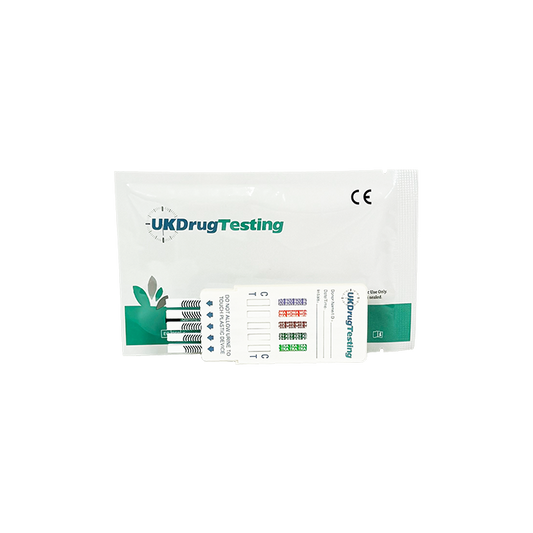
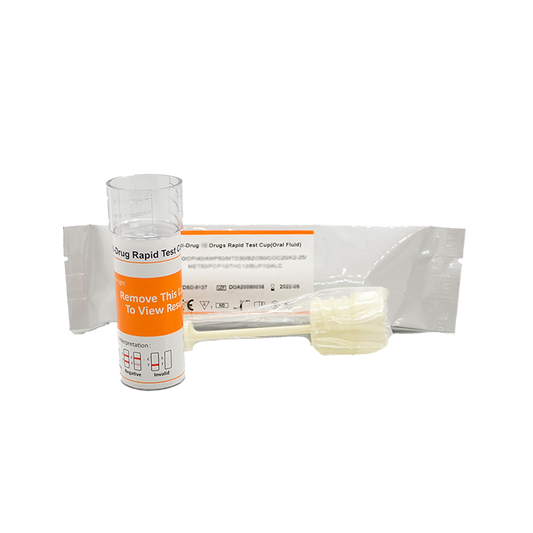
For single-drug screening, our Urine Drug Test Strips include a dedicated Methadone (MTD) option. If you need to screen for methadone alongside other commonly misused drugs in one test, our Urine Multi Drug Panel is a cost-effective option, and a Saliva Multi Drug Panel is available if a less invasive, shorter detection window test is preferred.
Where a screening result needs to stand up to scrutiny, for example for workplace or legal purposes, all non-negative rapid results should be confirmed using an accredited laboratory service such as our UKAS-Accredited Laboratory Confirmation Test. If you need to check a suspicious powder, tablet residue, or surface rather than a person, our Residue Drug Test Panel covers methadone alongside a wide range of other substances.
Frequently asked questions
Is methadone the same as heroin?
No. Methadone is a different, synthetic opioid. It is used precisely because its slower onset and longer duration of action help stabilise people without producing the same intense, short-lived "high" associated with heroin.
Can you overdose on methadone even if it's prescribed to you?
Yes. Overdose can occur if a dose is taken incorrectly, if it is combined with alcohol or other sedating drugs, or during the early weeks of treatment before the body has adjusted, when the drug can still be accumulating.
Is methadone itself addictive?
Yes. Methadone is an opioid and can cause physical dependence. This is managed as part of a structured treatment programme, with any reduction in dose usually carried out gradually and under medical supervision.
What should I do if I find methadone that isn't mine, especially around children?
Keep it out of reach immediately, do not attempt to dispose of it by pouring it away where a child or pet could access it, and contact NHS 111 or your pharmacist for advice on safe disposal. If someone may have ingested it, call 999 straight away.
Getting help and support
If you are concerned about your own or someone else's methadone or opioid use, speak to a GP, pharmacist, or your local drug and alcohol treatment service in the first instance. FRANK offers free, confidential advice on drugs 24 hours a day on 0300 123 6600, or via talktofrank.com.
Final thoughts
Methadone plays a genuinely valuable role in the UK's response to opioid dependence, helping many people stabilise their lives and reduce the harms of illicit drug use. But its long, unpredictable half-life, its potential to accumulate dangerously in the body, and the severe risks it poses when mixed with other substances or taken by someone without an opioid tolerance mean it must always be treated with real caution and taken exactly as prescribed.
The information provided in this article is for general educational purposes only and is not intended to replace professional medical advice, legal advice, or guidance from relevant authorities.
Methadone is a potent, controlled prescription-only medicine. It should only ever be taken by the person it has been prescribed to, at the dose and frequency directed by a prescriber. Never adjust a dose, combine methadone with alcohol or other drugs, or share it with anyone else.
If you have concerns about your own or someone else's opioid or methadone use, or believe someone may be experiencing an overdose, seek immediate medical help by calling 999, or speak to a GP, pharmacist, or local drug and alcohol treatment service for ongoing support.
Drug Testing Kit provides drug testing products to support awareness, treatment compliance, and workplace safety. Our drug testing products are not a substitute for professional medical advice, legal advice, or clinical laboratory testing.